Expertise
Our approachCasesCareersContactSEA
SEO
CRO
Social
Data
AI Marketing
WHAT WE SPECIALISE IN
SEO
Social
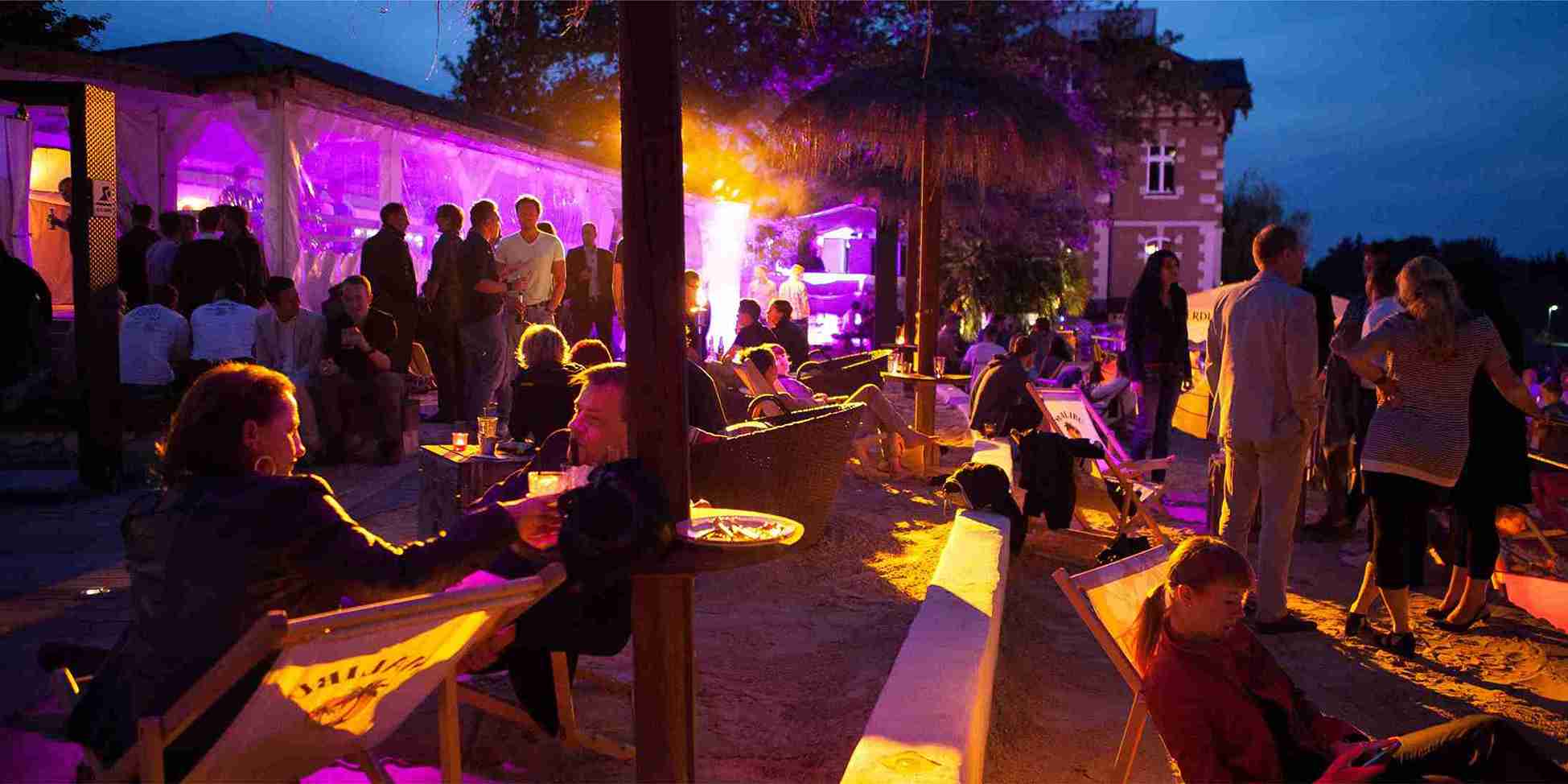

Event marketing has changed fundamentally in recent years. Where it used to be enough to switch on some ads a few weeks before your event, the market now demands a structural approach. Advertising costs are rising, audiences are becoming more critical and competition within the events sector is increasing. Yet we see that many organisations still treat event marketing as a temporary campaign rather than a long-term strategy.
In a recent episode of DGTLinsights we spoke with Stacey, marketer at Club Shelter and The Loft. Their approach shows what sets successful event marketing apart from mediocre campaigns: a focus on community, brand consistency and a scalable structure.
In this blog we answer the most important questions marketers and entrepreneurs in the events sector ask about modern event marketing.
A lot of event marketing still depends entirely on paid ads. As soon as the ads stop, ticket sales stop. That isn’t a sustainable model.
Strong event marketing starts with community building. Think of:
The core of effective event marketing is building an owned audience: email, WhatsApp, broadcast channels, channels where you have direct access to your audience. A strong community lowers your cost per ticket, increases repeat visits and makes you less dependent on rising advertising costs.
Creativity is the engine of event marketing. But without a clear brand structure it leads to fragmentation. A common mistake in event marketing is giving every event a completely new style: new visuals, a different tone of voice, a different positioning. The result:
Effective event marketing works differently: define your core values (for example underground, premium, niche, community-driven), build campaigns around those core values and experiment within recognisable frameworks. Creativity must stay recognisable. Consistency creates trust. Trust leads to repeat visits.
User generated content is one of the most powerful parts of modern event marketing. It is authentic, credible and often more effective than traditional advertising. But balance is needed: too many phones on the dance floor can disrupt the experience.
Smart event marketing strategies therefore provide:
User generated content shouldn’t be left to chance in your event marketing approach. It has to be planned, facilitated and maximised.

A frequently asked question: if ticket sales are lagging, should we spend more on ads? The honest answer: only if your foundation is right.
Event marketing works best when your positioning is sharp, your visuals and message are consistent, your audience is clearly defined and your community is actively engaged. Only then does scaling up become interesting. Without a strong brand, you are buying reach. With a strong event marketing policy, you build long-term value. Curious how to use your advertising budget for your events as efficiently as possible? View our CRO approach and get more out of your existing traffic.
Many event organisations get stuck when they run several concepts at the same time. Not because of a lack of creativity, but because of a lack of structure.
Common challenges in event marketing:
Scalable event marketing requires fixed campaign frameworks, central planning tools, clear KPIs (CPA, ROAS, repeat visits), structural evaluation moments and an internal knowledge base. Event marketing has to become a system, not a set of separate actions. Curious how we work data-driven for our clients in the events sector? See how we work.
The biggest shift in event marketing is clear: from campaign-driven to community-driven. Successful events build a recognisable brand, a loyal community, smart content distribution, data-driven optimisation and an operational structure.
Creativity remains essential in event marketing. But without a strategic foundation, success stays temporary.
Curious what we can do specifically for the events sector, festivals and music events? View our sector page for event marketing
and discover how we help event businesses achieve structural growth.
Curious what else we can do for you? Get in touch with us for a conversation.
How do you build a community around your event?
You build a strong event community by using owned channels, such as an Instagram broadcast channel, an email list or a WhatsApp group. Offer regular visitors exclusive pre-sales, involve them in content and make sure you have consistent branding and recognisable faces. Community building lowers your cost per ticket and drives repeat visits, with less dependence on advertising.
How does influencer marketing work for events?
Influencer marketing works for events when you collaborate with people who genuinely fit your audience and core values, not just those with the biggest reach. Micro-influencers with a strong niche community often deliver more ticket sales than big names with a broad audience. Give them creative freedom, but make sure the collaboration fits within your brand structure.
What is the difference between event marketing and event promotion?
Event promotion is part of event marketing, not the same thing. Promotion focuses on selling tickets for one specific event through ads and content. Event marketing is a broader strategy: positioning, brand building, community, retention and data-driven growth across multiple events. Promotion sells, marketing builds value.