Expertise
Our approachCasesCareersContactSEA
SEO
CRO
Social
Data
AI Marketing
WHAT WE SPECIALISE IN
SEO
Social
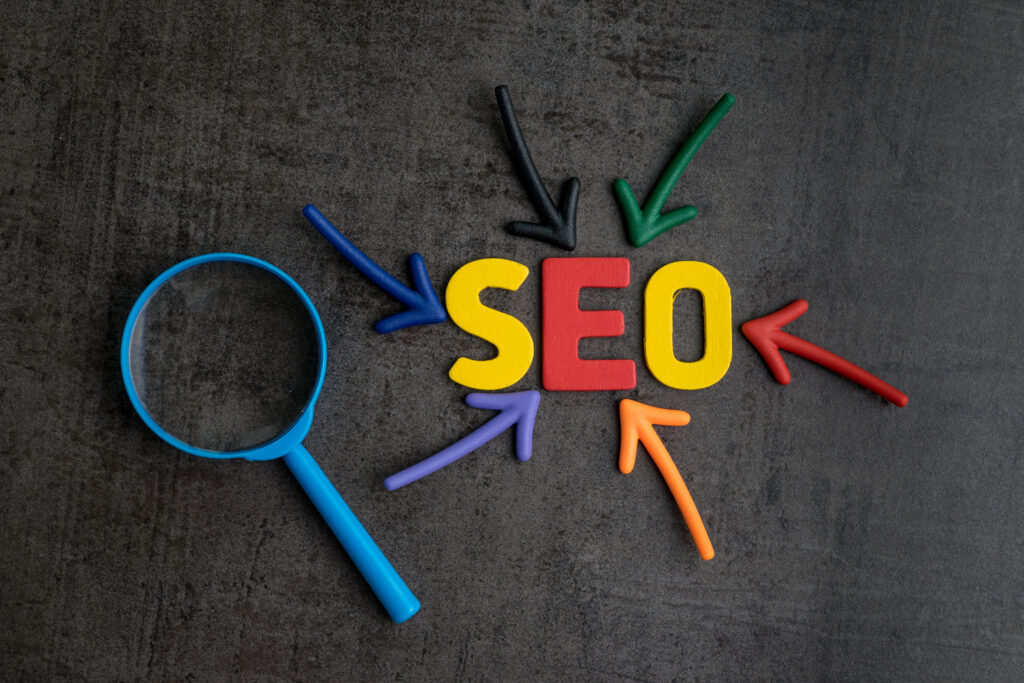

Search engine optimisation is generating traffic and visibility from search engines by responding to the needs of search engine users with the right message at the right moment. These activities are carried out by making the pages of your website more relevant and more popular. Doing this thoroughly leads to a higher score in the search results and more visitors to your website. Mainly because the vast majority of Google users don’t look beyond the first page.
SEO stands for Search Engine Optimization. In Dutch, that translates to zoekmachine optimalisatie. The goal of SEO is simply to attract more visitors to your website or webshop via the organic search results of search engines. You do Search Engine Optimization by optimising your website and getting it to rank higher for certain search terms. The more people find you through search engines such as Google, the more revenue you bring in. So this is about organic findability. The great thing about SEO is that the visitors it brings in are ‘free’. You don’t spend anything extra on advertising for your Search Engine Optimization.
Every month, an average of 700,000,000 searches are carried out, 95% of them via Google. These searches are made by people looking for information about a specific product or service. A practical example explains the importance of Search Engine Optimization:
Floris is looking for an exclusive sneaker and would like to buy one from his acquaintance Jeroen. Jeroen has his own webshop selling exclusive sneakers.
Floris goes to google.nl and types in “exclusieve sneakers kopen” (buy exclusive sneakers). Floris sees a number of webshops, but his friend Jeroen’s isn’t among them. Jeroen is then made aware of this. Jeroen discovers that he doesn’t mention this anywhere on his website. He then states on his website that it is possible to buy exclusive sneakers. Because Jeroen mentions exclusivity on his website, Google sees his website as an exclusive sneaker shop. As a result, Jeroen’s website is found in Google’s search results.
Search engine optimisation is important because it lets you respond to the search intent of potential customers. To respond to these intentions, you need to make sure you are found straight away on search terms that are interesting for your website. The process of becoming easier to find, with the aim of scoring as high as possible in the organic (free) search results and generating relevant traffic through these results, is what we call search engine optimisation.
SEO copywriting is writing content from the perspective of the potential visitor to your website. You do this mainly by answering your customers’ questions and making your website easy to read.
SEO writing explained with a simple example:
We write a blog about ‘Which online marketing channels are there?’ A few weeks later, someone searches Google for which online marketing channels exist. Because we have written an extensive article about it, they find our article in the search results.
To score a higher position in Google, ‘link building’ plays an essential role. Link building is the process of getting external websites to refer to your website, because a search engine ranks you based on the number of links to your page and their relevance. The number of links to your website from valuable external domains increases your site’s popularity with a search engine, which gives you a higher position in the search results. Another benefit of link building is that the reference also brings visitors from the referring website. Choosing the right link text gives a search engine more relevance and clarity. A practical example:
A fashion blogger writes an article about Floris’s shoe shop:
“This is my favourite exclusive shoe shop”. Because the blogger links to Floris’s shoe shop in the underlined part (anchor text), the search engine more easily associates the term exclusive shoe shop with Floris’s webshop. These texts that link to other websites are called anchor texts.
When we talk about optimisation opportunities for SEO, it is almost always about the technology and content on the website. This is also called on-page SEO. Off-page SEO is all about activities that take place outside your own website. That doesn’t mean the website doesn’t need optimising; there is plenty of work that stimulates off-page activities.
With off-page SEO you try to convince Google and visitors of your reliability, relevance and authority. Important elements that influence your online findability. With off-page SEO activities you respond to this. When various parties talk about your website or brand, you show that you are valuable.
Because high-quality and relevant websites link to you, talk about you or perhaps even post about you, you will appear better in Google’s search results.
Of course you now expect me to say that your traffic will plummet. That’s true, but it can also happen if you do SEO the wrong way. Some businesses want to take a break from SEO and believe this won’t cause any problems. In this article I will talk about the consequences of stopping SEO
In online marketing there are two important concepts: SEO and SEA. But what exactly is the difference? First, the full names:
If you want to reach your target audience, there are various methods. SEO and SEA are just two examples, but they are the most important when it comes to online marketing. SEO literally means search engine optimisation and SEA search engine advertising. The main difference, then, is that you don’t pay for SEO, whereas advertising naturally comes with costs. Both SEO and SEA have important advantages.
But which should you focus on: SEO or SEA? Do you have plenty of time and want to be found better online for a longer period? Then SEO is the best option for you. An SEO specialist can then get to work getting your website higher in Google, for example.
But do you want to rank high in the results quickly? Then SEA is a logical choice. Based on your budget and the rating of your ads, your website then appears at the top of search engines. This is useful for a certain period, because once your campaign has ended, you no longer appear in these search engines.
Search engine optimisation makes sure your website is found among the organic search results. Organic means free, and in the search engine you usually see these results below the paid, advertised results. If you want your website to be well visited, it is clear that your website should at least appear on the first page of the search results, but preferably in the top three.
A good website isn’t built in a day, which is why SEO is a long-term choice. There are a great many factors that are taken into account in determining how high your website ranks in search engines.
When you stop publishing content, the following happens:
You often see technical issues occur for no apparent reason. Personally, I have never seen a website without technical SEO issues. That is why I regularly carry out an SEO analysis of my own website. Want to know how to carry out an analysis yourself? Read my article Carrying out an SEO analysis.
If you don’t keep an eye on the technical aspects of your site, the following problems can occur:
SEO helps every business become more findable on the keywords potential customers are searching for, but it also helps give those potential customers a positive touchpoint with your brand.
Of course, most businesses aren’t planning to stop SEO, but as your business grows, it is important that your SEO activities grow with it. That is why businesses often hire an SEO specialist to keep up with that growth.
Other interesting articles about SEO
Would you like to generate more revenue by being found better in Google?