Expertise
Our approachCasesCareersContactSEA
SEO
CRO
Social
Data
AI Marketing
WHAT WE SPECIALISE IN
SEO
Social
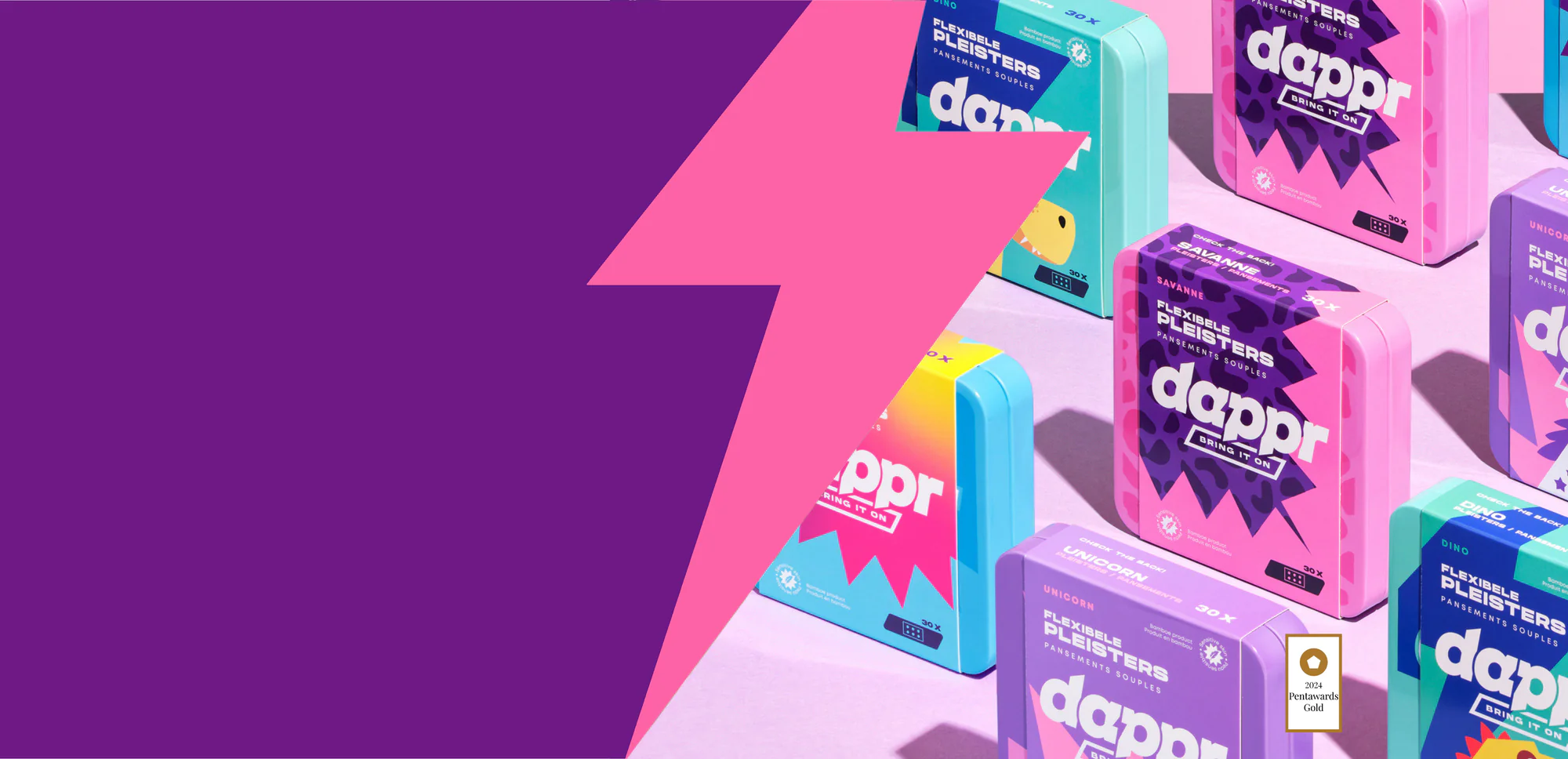

Within one year, DAPPR was on the shelves of more than 500 Etos stores. Not by shouting louder about sustainability, but by turning a simple plaster into a lifestyle brand.
In the latest episode of DGTLinsights, co-founder Amar Thomas explains how branding, retail timing and radical transparency drove rapid online and offline growth as a start-up.
What makes DAPPR interesting is that they didn't grow from a traditional healthcare brand, but from culture, design and community. That's exactly why they managed to stand out in a market that had barely changed in decades.
For years, Amar and his co-founder Jochem worked in marketing for the healthcare sector, helping healthcare companies and hospitals. At some point, it was time for something of their own: a product without limits or constraints. They chose the plaster market, simply because nothing had changed there in 30 years: an ideal starting point for building a new B2C brand.
“We wanted a product we'd be customers of ourselves,” says Amar.
They also discovered that many regular plasters contain plastic or harmful substances that stay behind in the wound. Their goal was therefore twofold: combine a plastic-free bamboo plaster with a brand that really stands for something.
According to Amar, a plaster's functionality is virtually the same everywhere. Where DAPPR makes the difference is the emotional charge.
“It's not about the plaster, but about what you stand for. We focus on falling down and getting back up.”
At DAPPR, a plaster isn't a medical emergency measure, but a sign that you've had an adventure. That's why the plasters don't come in inconspicuous skin tones, but in eye-catching patterns and colours. You can be proud that you've been through something and got back up again.
To reinforce this philosophy, DAPPR recently launched its first billboard campaign: “Famous Last Words”. In cities such as Amsterdam, Utrecht and Rotterdam, posters appeared with lines such as:
“I'll make it to the other side easily.”
Instead of taking the medical angle, the campaign challenges people to seek out just a little more adventure.
What DAPPR does cleverly is communicate not from functionality, but from identity. We see this more often with modern consumer brands: emotion often converts better than rationality.
Many start-ups try to win straight away on product features or performance marketing. DAPPR first built brand association and recognition. That also made it easier for retailers to position the brand on the shelf.
A crucial choice in DAPPR's branding strategy is how they handle sustainability. Although their plasters are plastic-free and made from bamboo, they don't shout it from the rooftops as their main selling point.
Data showed that products that rely purely on ‘organic’ or ‘sustainable’ often end up with discount stickers and eventually disappear from the shelf.
For DAPPR, sustainability is a basic requirement, not a Unique Selling Point (USP). Consumers first have to feel drawn to the brand and the design; the fact that the product is also good for the planet is the icing on the cake. An important lesson for anyone who wants to achieve online growth as a start-up: choose a leading story that goes beyond product attributes.
Instead of a cardboard box you throw away, they chose a sustainable tin you can reuse and top up with refills.
You'll find more on our page about sustainability marketing
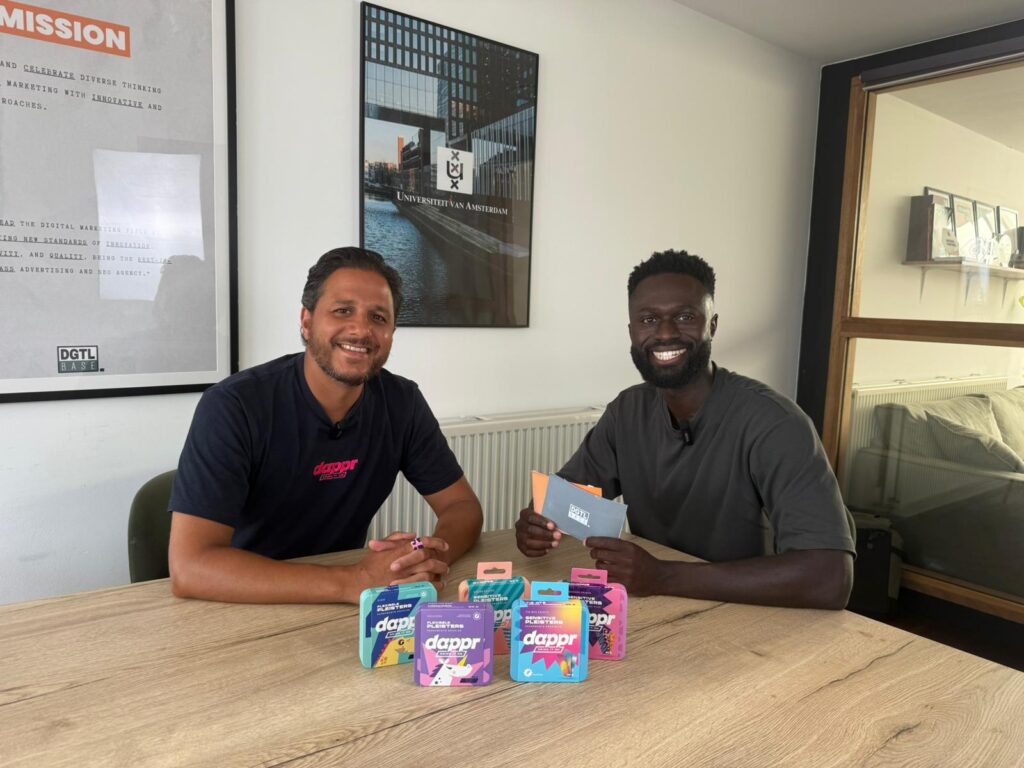
In a world of perfectly polished marketing images, DAPPR chooses raw reality. Amar shares the ‘downs’ of entrepreneurship just as loudly as the ‘wins’. He even recorded a video while he was “on the verge of tears” because a big deal fell through.
This approach builds a bond of trust that you can't buy with a big marketing budget. The philosophy is simple: people buy from people, not from a perfect picture. This may well be the most underestimated lever for online growth as a start-up.
It also translates into their content creation: videos are often recorded in a single take to preserve authenticity and speed. With tools such as Canva and CapCut, they can respond to current events within 10 minutes, as they did when the Dutch cabinet fell.
Success at Etos, DA and Bol.com didn't come by itself. Retailers are bombarded by new brands, but DAPPR got in because they dared to stand out with a ‘bold brand’. Amar soon discovered that retail growth for a start-up has its own logic: shelves are only changed twice a year. If you miss that moment, you have to wait six months.
By starting at Etos, they immediately got national exposure, from Groningen to Maastricht. This made it easier for other retailers to come on board. The goal now is to build a complete ‘brand block’ in stores, so consumers can't miss DAPPR's bright colours and story.
DAPPR doesn't rely blindly on dashboards, but believes in “things that don't scale”. They physically go into stores to interview customers and observe behaviour at the plaster shelf. That's how they got feedback from an 80-year-old customer who found the patterns too loud, after which they immediately tested via LinkedIn and Instagram whether there was interest in calmer designs.
These short lines with their audience also lead to product expansion. They recently developed nasal strips in collaboration with top athletes, such as professional footballers and Olympic hockey players. By having the community validate the product before it goes into production, they save costs and increase the chance of success. A recent A/B test, for example, taught them that showing the plaster on the front of the packaging significantly increases conversion.
Amar draws a lot of inspiration from LinkedIn founders such as Jake Karls of Midday Squares, who are also very transparent about their growth process and funding rounds. The most important lesson Amar passes on to other founders is even printed on the side of their tins:
“Niet stoppen is winnen.” (Not stopping is winning.)
Whether you're just starting to build a B2C brand or are already in the middle of your retail journey: as long as you keep going and keep believing in your product, the process of falling down and getting back up is the only route to sustainable online growth as a start-up.
Want more insights from the practice of retail marketing?
Then listen to DGTLinsights and discover how professionals at international brands have found their way in this industry. Also take a look at our page on retail marketing.
Curious what we can do for you? Get in touch with us for a chat.