Expertise
Our approachCasesCareersContactSEA
SEO
CRO
Social
Data
AI Marketing
WHAT WE SPECIALISE IN
SEO
Social


A full diary feels like success. And it is. But a full diary of regular clients is something different from a growing practice. In this blog we discuss why most pedicure salons are invisible online to new clients, what that means in the long run, and how to change it without becoming a marketing agency.
Your regular clients are gold, but they are also a risk.
Most pedicure salons in the Netherlands are doing well. Regular clients, positive word of mouth, a full diary for the coming weeks. It feels stable.
But then a regular client moves house. Or falls ill. Or passes away. For pedicure salons with an older client base, that last one is not an exception. It is the reality of the sector.
Salons that rely only on regular clients only notice when things go wrong. Suddenly there are three gaps in the diary. Then four. You look for new clients, but there is no system to find them. No website that ranks well. No strategy.
This isn’t a doom scenario. It is a reason to sort something out now, while things are calm.
That is the question most salon owners can’t answer. ‘Through word of mouth’ is the answer we hear most. That works. Until it doesn’t.
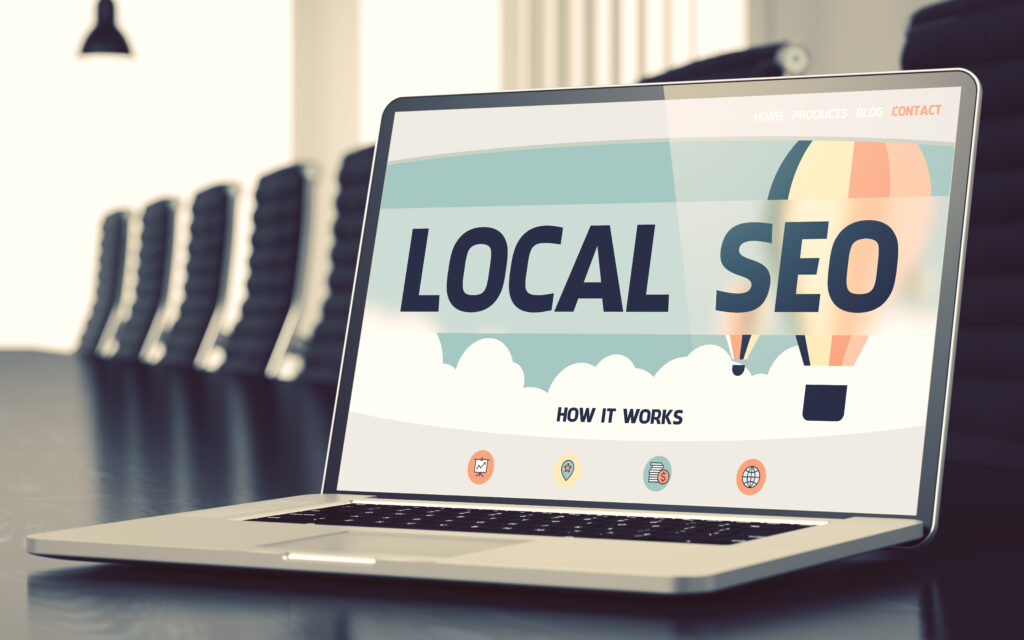
New clients who don’t know you search on Google. 'Pedicure Amsterdam', 'medische pedicure bij mij in de buurt', 'pedicure diabetische voet Utrecht.' Those people want to book an appointment. They are looking for someone to call. Whoever is at the top of Google for those searches gets the phone call. This is what good local SEO does: it makes sure you are the one they find.
Here is something few people know. ‘Medische pedicure’ (medical pedicure) is a search term with relatively little competition in Google. People searching for it have a specific medical need: diabetes, rheumatism, nail disorders. They are looking for a qualified practitioner, not just any pedicurist.
Most pedicure salons don’t have a specific page for this on their website. They may mention medical pedicure in a list of services. But a list isn’t enough. A separate page that explains what medical pedicure involves, who it is for and why you are qualified: that is what Google needs to show you to people searching for it.
The same applies to fungal nail treatment, diabetic foot care and nail care for the elderly. Each its own page. Each its own chance to be found.
Google Business Profile is the business card Google shows when someone searches for pedicure salons in your town. It is free. It has a direct effect on how high you appear in the search results. And most salons set it up once and never touched it again.
What works: up-to-date photos of your treatment room, the right treatment categories (including medical pedicure as a separate category if you offer it), correct opening hours, and actively responding to reviews. Reviews are decisive here. Salons with more recent reviews rank higher. Actively ask for them after every treatment.
More and more people ask questions of AI tools. 'Welke pedicure in mijn buurt doet medische voetverzorging?', 'wordt pedicure vergoed bij diabetes?' If your name and specialisation aren’t online in a reliable way, ChatGPT won’t mention you. This is called GEO, Generative Engine Optimization. It sounds technical, but the principle is simple: make sure the information about your salon is specific, complete and consistent online. On your website, on Google, everywhere. AI tools pick up reliable information. Whoever sorts this out now will be recommended later.
SEO takes time. If you want new clients now, you can supplement it with Google Ads. You pay to appear at the top for specific searches. A campaign on 'medische pedicure Utrecht' or 'schimmelnagel behandeling Amsterdam' attracts people who want to book right now. Competition on Google Ads in the pedicure sector in the Netherlands is limited. That makes it relatively cheap compared with other sectors.
Pedicure salons that manage to grow without depending on word of mouth always have one thing in common: they can be found online for the searches that matter. Not by chance, but because they invested in it deliberately. They have their Google Business Profile in order. Specific treatment pages. An active review policy. A steady stream of new clients alongside their regular base.
Curious how DGTLbase approaches this for the beauty sector? View our approach to beauty marketing or get in touch directly.
My salon already has a website. Why am I still not being found?
Having a website is not the same as being found. If your website has no specific pages per treatment, no local content and isn’t actively maintained, Google doesn’t have enough information to show you for relevant searches.
How do I know whether a new client found me through Google?
Just ask. “How did you find us?” is the simplest and most reliable measurement for a small salon. For more detail, Google Business Profile also shows you how many people viewed your profile, clicked through to your website or looked up your phone number.
How do I make sure my salon is found via ChatGPT?
By answering specific questions on your website, in plain language. AI tools look for reliable, clear information. The more specific and complete your website is, the greater the chance you will be recommended.
So should I stop using social media altogether?
Socials are valuable for building trust, but they don’t fill your diary. Social media reaches people who already follow you. Google reaches people who are actively searching for a treatment right now with the intention to book. That is a fundamental difference. Use socials as support, and use Google Ads and local SEO to bring in new clients.