Expertise
Our approachCasesCareersContactSEA
SEO
CRO
Social
Data
AI Marketing
WHAT WE SPECIALISE IN
SEO
Social
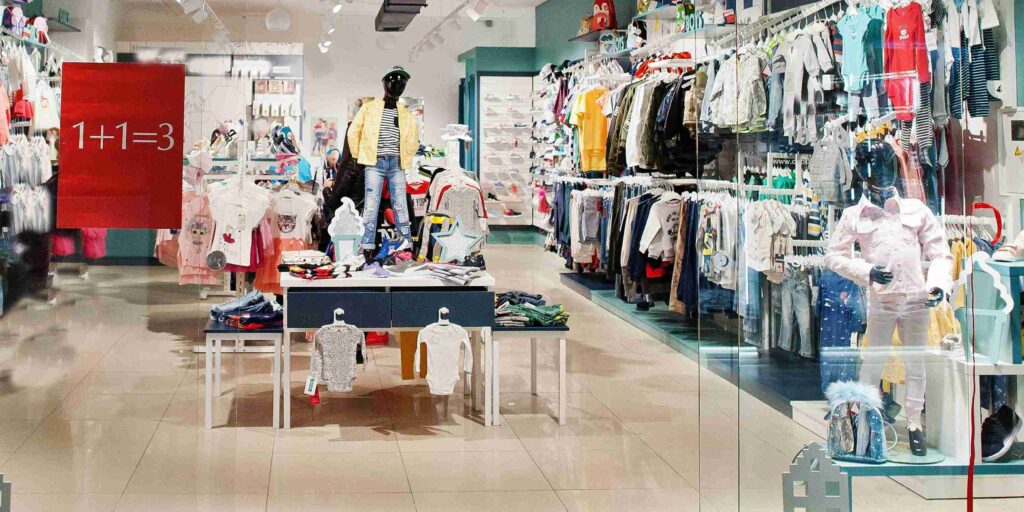

Many retailers feel they have lost the battle with bol.com before they have even started. That feeling is right for broad keywords. For specific searches, it is a completely different story. In this blog we show which SEO strategy works for retailers who want to grow alongside the big marketplaces, not in spite of them.
You can’t beat the marketplaces, on most keywords.
That is the hard reality. Bol.com, for example, has more budget, more backlinks, more content and more technical power than any individual retailer. On broad keywords such as 'sneakers kopen' or 'laptop bestellen', you won’t beat them.
But that isn’t the game you should be playing.
There are thousands of searches where bol.com is actually weak. Specific product variants. Local availability. Expert advice on a niche. Comparisons between brands. Questions people ask at the start of their buying process, not at the end. That is the playing field where an individual retailer can win. And most retailers aren’t even playing on it.
‘Which road bike suits a beginner with a budget of 800 euros?’ Marketplaces don’t answer that question. They have a product page. You can write an article that genuinely answers the question, with advice, comparisons and a concrete recommendation. Whoever does that ranks at the top for everyone asking that question.
'Fietswinkel Amsterdam Noord met reparatieservice.' The marketplace has no branch in Amsterdam Noord. You do. Local searches are the terrain where a physical retailer always wins, provided your website communicates that too. Specific pages per location or neighbourhood, a well set-up Google Business Profile, local content: this is the SEO strategy marketplaces can’t copy.
Layer one: product pages that are better than the marketplaces’. Not just the product name and price, but specifications, use cases, comparisons with alternatives and real customer reviews. Google shows the page that gives the most relevant information. That doesn’t have to be bol.com.
Layer two: category pages with real content. Not just a product grid. But an introduction that explains what to look out for when choosing this type of product. What are the differences? What suits which type of buyer? This is the content Google rewards and that bol.com will never write.
Layer three: local SEO. If you have a physical shop, that is your strongest asset. A complete Google Business Profile, location-specific pages and an active review policy make sure you are visible to people searching in your area.
The most common mistake: one broad Google Ads campaign across the entire range. That is expensive and delivers little. What works: separate campaigns per product category, aimed at people who are almost ready to buy. 'Elektrische fiets Bosch motor onder 2000 euro kopen.' Someone who types that wants to buy a bike. All that’s missing is a decision.
Retargeting is the layer most retailers skip. Someone who visited your website but didn’t buy is the most valuable audience you have. They already know you. They are still hesitating. A targeted ad at the right moment wins them over.
People increasingly ask ChatGPT for buying advice. ‘What is a good robot vacuum for a home with pets?’ ‘Which mountain bike suits advanced riders?’ AI gives an answer. If your brand or shop isn’t in that answer, you miss a customer who was almost ready to buy. In the US, retailers are already actively working on this. In the Netherlands, it is still practically a gap in the market. Investing in GEO now means investing in visibility before the competition does.
Every customer you win through ads or SEO and then lose costs you acquisition budget all over again. Email marketing keeps existing customers engaged without repeated advertising costs. Product recommendations based on previous purchases, seasonal campaigns, reactivating customers who haven’t ordered in a long time: these are the flows that deliver revenue directly at low cost.
Retailers that grow online alongside marketplaces choose specialisation over volume. They win on the searches where a bol.com loses. They write content marketplaces will never write. They use their physical location as a competitive advantage. And they build AI visibility before the rest do.
Curious how DGTLbase approaches this for the retail sector? View our approach to retail marketing or get in touch directly.
We also sell via bol.com. Won’t our own webshop compete with our own listing?
On broad keywords bol.com almost always wins, including against your own webshop. But on specific searches, niche content and local presence, your own webshop wins. The channels compete less than you think and more often complement each other.
What SEO advantage does a physical shop have over a pure webshop?
A physical location is a competitive advantage a webshop can’t copy. Local searches such as “fietswinkel Amsterdam Noord” or “meubels kopen Groningen centrum” are searches where a physical retailer always beats an online-only player, provided your website communicates that too.
How do I know which searches I can compete on against bol.com?
Look at searches with specific product variants, local intent or a request for advice. “Which mountain bike suits advanced riding?” or “bike shop with repair service Rotterdam” are searches where bol.com never ranks at the top. A marketplace has no location and gives no personal advice.
Why would anyone buy from us when bol.com delivers faster and makes returns easier?
Because bol.com isn’t an expert. People pay for advice, for the certainty that they are choosing the right product and for service if something goes wrong. That is the terrain where a specialist always beats a marketplace. But only if you make that expertise visible online.