Expertise
Our approachCasesCareersContactSEA
SEO
CRO
Social
Data
AI Marketing
WHAT WE SPECIALISE IN
SEO
Social
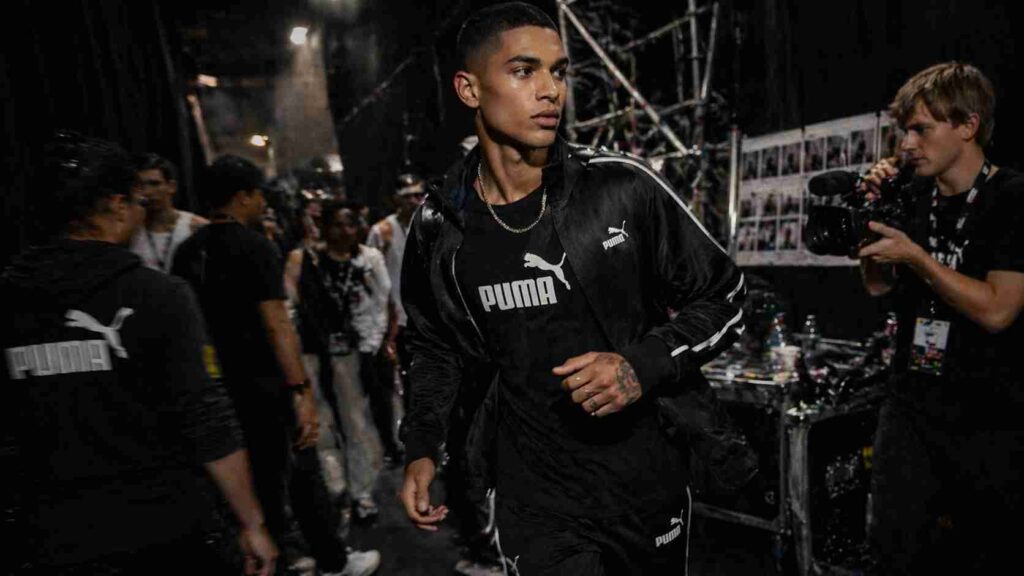

A lot of fashion marketing gets stuck in one-off campaigns and superficial trends. The result? Brands that blend into the crowd and make little real impact. Yet success in this industry is all about consistency, sharp positioning and the ability to stay relevant in terms of culture and timing. It's not doing more, but building brand and story smarter and more consciously that makes the difference.
In this blog, you'll read what that takes.
Fashion marketing is a world where creativity, commerce and culture come together. For many marketers, it's a dream industry, but also one that seems hard to fathom. How do you get in? What skills do you need? And what makes fashion marketing different from marketing in other sectors?
In the DGTLinsights podcast, we spoke to Hasib, Global Partner Manager at Puma. His career path shows that there's no fixed route into fashion marketing, but there are clear principles that make the difference.
Fashion marketing goes beyond campaigns and ads. It's about brand experience, timing, cultural relevance and emotion. Fashion isn't a rational product: people buy identity, status and feeling.
That means a fashion marketer has to balance:
Anyone who wants to succeed here needs not only marketing knowledge, but also an understanding of how large organisations, creative teams and international stakeholders work together.
Want more context on how brands approach this?
You'll find it on our page about fashion marketing.
Hasib grew up in Amsterdam-West and didn't start his career with a fashion degree, but with International Business. He saw marketing as a practical field in which he could express his creativity. The fashion industry wasn't a logical next step, but it was his ambition.
His breakthrough didn't come through one perfect job application, but through:
In fashion marketing, there's no linear career path. Anyone waiting for “the right job” or “the perfect moment” often ends up lagging behind.
Lesson: fashion marketing rewards initiative more than CVs.
A recurring theme in the conversation was hustling: actively creating opportunities, even when they're not there for the taking. Hasib sent hundreds of applications, started his own brands and projects and learnt along the way how marketing budgets, inventory and branding fit together.
More important than hard work alone is being visible:
In fashion marketing: proof beats potential.
One of the biggest eye-openers from the podcast:
you can have the best idea, but without good presentation nothing will happen with it.
In large fashion organisations, ideas are assessed by several teams: marketing, brand, sales, legal and management. Visualisation and storytelling determine whether people get on board.
For fashion marketers, this means:
This isn't a “soft skill”, but a core competence.
According to Hasib, a large part of his work consists of managing interests. Large brands consist of silos, agendas and internal politics. Successful fashion marketing is therefore all about relationships.
Anyone who wants to make an impact:
Emotional intelligence is at least as important as technical marketing knowledge.
A frequently asked question from starters: how do I get in without experience?
The answer from the podcast is clear:
build a portfolio, however small.
That can consist of:
As soon as people see what you can do, the conversation changes. In fashion marketing, a portfolio opens doors faster than a perfect CV.

Based on the conversation with Hasib, these are three skills every fashion marketer needs:
Long-term thinking in a fast industry
Finally, Hasib stresses the importance of long-term thinking. Fashion marketing seems fast and fleeting, but sustainable growth comes from consistently building, learning and networking.
Don't focus on one title or role, but on:
That way, room for bigger projects and brands opens up naturally.
How to get started in fashion marketing
Fashion marketing calls for courage, creativity and adaptability. Hasib's story shows that success doesn't come from one right choice, but from continuing to try, being visible and building relationships.
For new marketers, that means:
Want more insights from the practice of fashion marketing?
Then listen to DGTLinsights and discover how professionals at international brands have found their way in this industry.
Curious what we can do for you? Get in touch with us for a chat.